
Introduction: A Nation in Motion
Imagine stepping into a city where sleek skyscrapers rise beside ancient alleys, where digital payments are so seamless you rarely see cash, and where young professionals debate leaving the neon-lit high rises for tranquil tea-fields in rural communes. That’s what life in modern China feels like: a fascinating collision of tradition and innovation, of collective ambition and deeply personal transformations. As China rapidly evolves, it’s not just its skyline that’s changing—but the way the rest of the world, and even you, feel its impact.
From Rural Roots to Urban Beats: The Transformation
The Urbanization Surge
Over the past few decades, China has undergone one of the fastest urbanization processes in history. In 2001, rural residents outnumbered urban dwellers; by 2020, more than 60% of the population lived in cities. This mass migration has reshaped not only the geography, but also the very soul of the country.
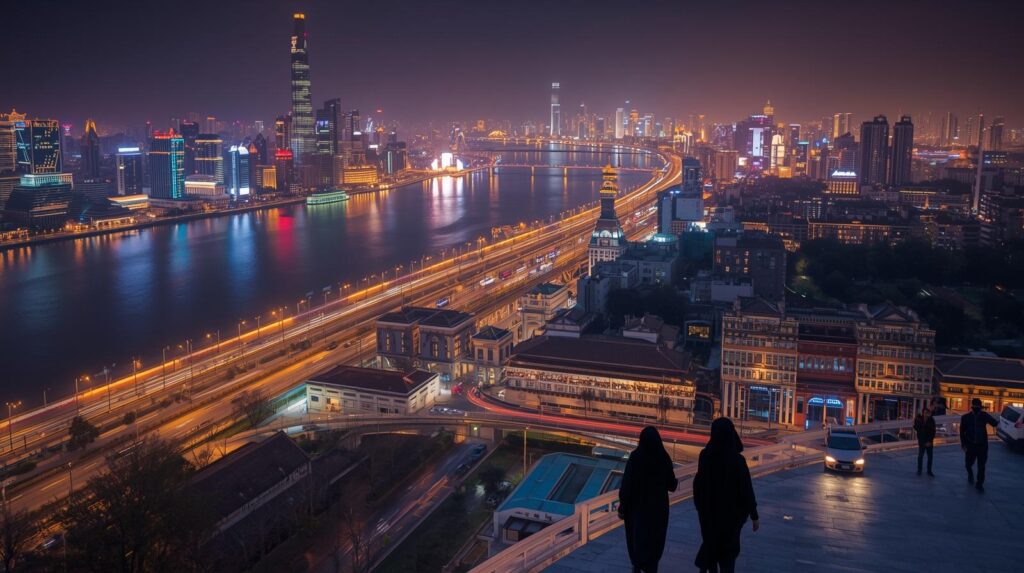
Mega cities like Shanghai and Shenzhen, once modest towns or villages, have exploded into global hubs of commerce, technology, and culture. The skyline of modern China is a living manifesto of its economic and social rise.
Smarter, Greener Cities
Urbanization hasn’t simply meant more buildings. Today, China is pivoting to “people oriented” urban development, prioritizing green spaces, better healthcare, and quality of life improvements rather than raw expansion. Reuters
Smart city technologies—AI-driven traffic systems, digital governance, facial-recognition transit—are transforming daily life. The rapid growth of the digital economy makes cities more liveable and efficient.
The Rise of a New Middle Class
A defining feature of modern China is its burgeoning middle class and its influence on daily life and global economics.
Who Is the New Middle Class?
In less than a generation, hundreds of millions of Chinese households have entered the middle class. According to McKinsey, by 2025, over half of China’s urban population could belong to the upper-middle class, wielding a combined disposable income that rivals major developed economies.
This shift is not just economic—it’s deeply social. The middle class in China today tends to be younger, better educated, and more tech-savvy than in many Western countries.
Growth and Contradictions
Yet this expansion comes with tensions. The hukou (household registration) system still influences opportunity: many middle-class Chinese households are urban or migrated to cities, while rural populations remain underrepresented. lisdatacenter.org+1
Employment is also a factor. Research shows that a large share of middle-class income comes from formal jobs—government, state enterprises, or professional roles. Education plays a big role too: many in this class have completed high school or more, compared to lower-income groups.
Digital China: How Tech Shapes Everyday Life
The Digital Economy as a Social Engine
China’s digital revolution is more than high-speed internet and super apps: it’s a core driver of social change. By combining big data, AI, and mobile connectivity, the digital economy is reshaping how people live, work, and socialize.
Empirical research shows that digital infrastructure—especially in cities—is improving living conditions, making transportation smarter, public services more accessible, and governance more efficient. Moreover, this connectivity is helping bridge the gap between urban and rural areas: digital tools support consumption, education, and entrepreneurship far outside China’s megacities.
Rural Revitalization Through Tech
In rural China, digitization is triggering a quiet transformation. Once marginalized, many villages are now integrating into the digital economy, enabling new forms of “in-situ urbanization.”
These digital initiatives help narrow urban–rural divides—giving rural residents access to e-commerce, remote education, and better services. There’s also emerging evidence that data-based development helps shrink income gaps and uplift consumption across the countryside.
Work, Lifestyle, and the Cultural Shift
Beyond 996: A New Way to Live
For years, the infamous “996” schedule (9 a.m. to 9 p.m., six days a week) shaped the rhythm of China’s big tech industry.
Modern China is witnessing a cultural shift among its youth. For years, the “996” work model (9 a.m. – 9 p.m., six days a week) dominated big tech. Now, alternative modes of work are emerging. Digital nomad communes in rural regions like Anji, Yichun, and Dali provide young people spaces to work flexibly while reconnecting with nature.
These communes are more than escapes—they reflect a deeper reevaluation of success, wellbeing, and modern Chinese identity.
Generational Perspectives
Older generations witnessed China’s rise through rapid industrialization and mass migration. Younger Chinese, however, are often defined by digital connectivity, consumerism, and global aspiration.
The middle class has embraced consumption—travel, education, technology—but also faces pressure: housing costs, job competition, and social expectations remain significant.
Meanwhile, many urbanized youth are reconsidering city life altogether, driven by burnout and a desire for balance. This trend is shaping China’s future as much as its skyscrapers.
What This Means for You and the World
Global Economic Impact
China’s middle-class boom is not just domestic—it’s global. As consumption soars, China is shifting from export-led growth to a more consumer-driven economy. That affects global trade, supply chains, and investment flows.
Cultural Exchange & Influence
For people outside China, the country’s transformation offers more than economic opportunity. Whether through travel, business, or digital interaction, modern China is shaping cultural trends, innovation, and values worldwide.
You might find yourself influenced by Chinese digital payment habits, inspired by smart-city design, or fascinated by the balance younger Chinese are striking between tradition and innovation.
A Mirror for Change
Life in modern China acts as a mirror: it shows what rapid development, urbanization, and technology can do to a society—and reminds us that progress isn’t just about GDP. It’s about how people live, how they work, and how they imagine their future.
Challenges Lurking Behind the Glow
- Inequality: Despite growth, income disparity persists—especially between urban and rural areas.
- Sustainability: Rapid construction and resource use raise environmental concerns. China’s current urban development blueprint addresses pollution, but balancing growth and sustainability remains a challenge.
- Social Pressure: The new middle class faces housing costs, job stress, and rising expectations.
- Cultural Tension: The tension between traditional values and modern lifestyles leads to generational gaps—especially among rural migrants and their children.
Conclusion: The Lasting Impact of a Changing China
Reflecting on life in modern China, I realize it’s more than a story of economic growth. It’s a story about how rapid change reshapes identity, aspiration, and the way we see our place in the world. The rise of its middle class, the digital transformation of its cities and countryside, and the reimagining of work all leave a lasting imprint—not only on China’s 1.4 billion people, but on all of us who connect with or watch this change.
Whether you’re a traveler, a global citizen, or someone simply curious: understanding modern China means recognizing a nation that’s no longer just the “factory of the world.” It’s a country that is redefining modern life—not just for its people, but for everybody paying attention.
Your Next Step
What do you think about life in modern China? Have you experienced any aspects of its digital economy, megacities, or changing work culture? Share your thoughts below or explore more on my site:
- Read my blog post on [Best Places to Visit in Japan for First-Timers: Your Ultimate Guide].
- Subscribe to Travel and Flavours for more stories about how global change shapes daily life
- Share this post if you found it illuminating — let’s start a conversation about how China’s future touches ours.
Common People Questions about Modern China
1. What is daily life like in modern China today?
Daily life in modern China is fast-paced, tech-driven, and highly urbanized. Cashless payments, high-speed trains, and smart cities shape everyday routines, while traditions like family meals and festivals remain deeply rooted.
2. How has technology changed life in modern China?
Technology touches nearly everything—transport, shopping, banking, healthcare, and communication. Super apps like WeChat make daily tasks seamless, and AI-driven services are becoming part of normal life, especially in big cities like Shanghai and Shenzhen.
3. Is modern China still connected to its traditional culture?
Yes. Even with rapid modernization, traditions like Lunar New Year, tea culture, calligraphy, and Confucian values remain influential. China blends modern lifestyles with strong cultural identity, creating a unique mix of old and new.
4. What challenges do people face in modern Chinese cities?
Rising living costs, competitive work culture, traffic, and fast-paced lifestyles are common challenges in major cities. However, improved public services, infrastructure, and safety help balance these pressures.
5. What makes life in modern China attractive for travelers?
Travelers experience world-class transport, diverse food, historic landmarks, futuristic skylines, and welcoming local culture. The contrast between ancient temples and hyper-modern cities offers one of the most unique travel experiences in the world.