
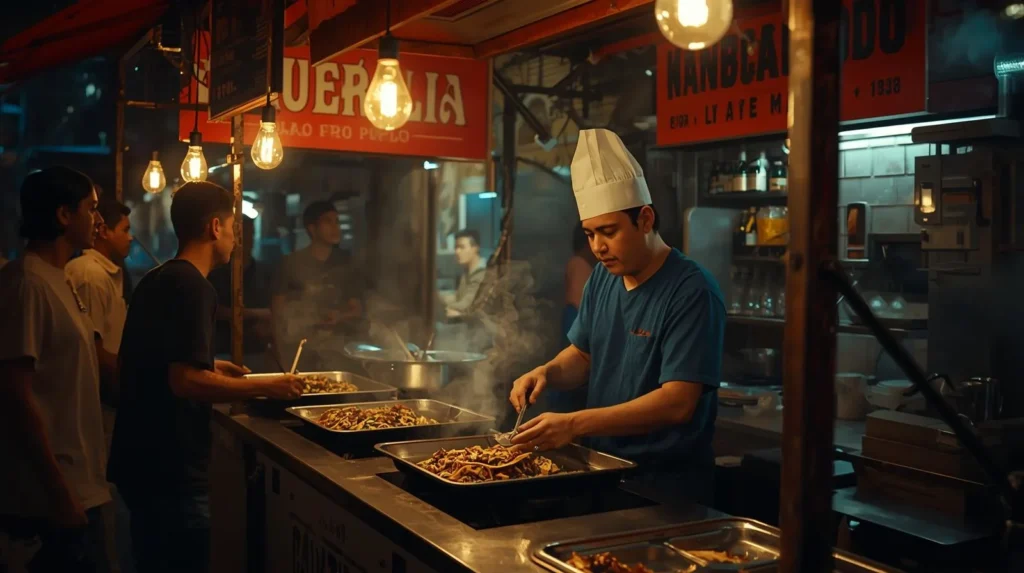

Introduction: A Bite-Sized Hook into Mexico City’s Soul
If your idea of travel is tasting rather than just seeing, then joining a food tour in Mexico City might be the ultimate way to experience the city’s culture. From steaming tamales at dawn to sizzling tacos al pastor at night, every bite tells a story of heritage, flavor, and community. On my recent Mexico City food tour, I discovered that every corner hides a unique recipe and a family’s culinary legacy waiting to be shared.
Join me as I walk you through why a food tour Mexico City (focused on tacos and tamales) is one of the best decisions you’ll make on your trip—and how to choose one that feels like a personal adventure.
Why a Food Tour Beats the DIY Route
A food tour Mexico City offers a curated taste of local traditions without the overwhelm of choosing from thousands of stalls.
Navigating a Food Labyrinth
Mexico City is vast—its neighborhoods, alleys, and mercados are labyrinthine. Even locals often have “secret spots” they guard like treasures. Without guidance, you’ll miss hole-in-the-wall gems or be tempted into tourist traps. A guided tour helps you skip the guesswork and hit the soul-touching spots. Many tours combine multiple neighborhoods, giving you flavor contrasts in one day. For example, a nighttime taco-and-mezcal tour may take you through Roma, Condesa, and Juárez—each with its own taco character. Inside the Upgrade+1
Context, Culture & Stories
Beyond what ends up on your plate, a good food tour localizes what you’re eating—why tamales in Oaxaca-style differ from those served in corn husks, or how the Spanish conquest influenced chili cultivation. Often, a vendor’s story (e.g. “this stall’s been in the family for four generations”) is as memorable as the food itself.
Safety & Smart Choices
Street food is phenomenal, but it helps to have someone vet sanitation, freshness, and flow (i.e. which stalls locals use). If a stand is packed with locals at midnight, that’s a good sign. Tours help you avoid pitfalls like unfiltered water or raw salads from suspect vendors. As one travel writer put it: “If it’s cooked, I eat it; raw I skip—unless guided.” Inside the Upgrade
Tacos & Tamales: A Symphony of Flavors
Before we talk tours, let’s geek out for a minute on tacos and tamales—the yin and yang of Mexico City’s eating culture.
Tacos: Small But Mighty
Tacos are ubiquitous, but what you find on a tour will usually include:
- Tacos suadero: Cuts from between the beef’s leg and belly—tender, juicy, often cooked on a flat griddle.
- Tacos de canasta / “basket tacos”: Soft tacos steamed in stack, delivered to early-morning commuters.
- Regional variations: You might see tacos de carnitas, barbacoa, or specialty meats like lengua (tongue) or tripa (tripe).
A recent distinction: Taquería El Califa de León in San Rafael earned a Michelin star in 2024, making it the first Mexican taco stand honored this way. Wikipedia+1
Tamales: The Corn-Wrapped Legacy
Tamales often act as morning gatekeepers—vendors begin steaming them early.
- Corn-husk vs. banana-leaf: In Mexico City, corn-husk–wrapped varieties are common; Oaxacan / southern variants sometimes use banana leaf.
- Guajolota (tamale torta): A favorite breakfast—take a tamal and stuff it inside a bolillo (bread roll). Condé Nast Traveler
- Roasted / fried leftovers: Some vendors crisp day-old tamales in oil for texture.
Together, tacos and tamales offer a spectrum of texture (soft masa, crisp tortilla, juicy meat) and tempo (instant snack vs longer sit-down bite).
Types of Food Tours in Mexico City
There isn’t just one “best” food tour—there are the right ones depending on your pace, time, and interests. Here are four major flavors:
1. Market & Historic Center Walks
These start early—sometimes before sunrise—and take you into large markets like La Merced, which is Mexico City’s biggest traditional food market. Wikipedia You’ll sample tamales, quesadillas tucked in corners, fresh juices, and urban legends about local ingredients.
Pros: Great for fresh ingredients, vendors with roots deep in tradition.
Trade-off: Less time for evening taco stops.
2. Nighttime Taco + Mezcal Crawl
These begin around dusk and take you through neighborhoods alive after dark. You’ll hit multiple taquerías (5–6 stops), tasting different styles of tacos, then wind down with mezcal or pulque tastings. Viator+1
Ideal for: Night owls who want to see CDMX’s nocturnal food rhythm.
3. Bike + Food Tours
A growing favorite: pairing cycling with bites. Foodhood Tours, for instance, offers:
- Roma & Condesa Foodie Bike Tour (~3.5 hours)
- Night Street Food Bike Tour (~4 hours)
- Michelin Taco Bike Tour (~3.5 hours) foodhoodtours.com
Why bike? You cover more ground, see less touristy lanes, and arrive on an appetite.
4. Home-Hosted / Neighborhood Tours
In neighborhoods like Roma, La Roma Norte, or San Ángel, some tours end in a local’s home for a homemade meal—recipes passed down through generations. You’ll be more than a visitor; you’ll feel like an invited guest. Inside the Upgrade+1
A Sample Tour Itinerary: From Dawn to Night
Here’s roughly how one full-day food tour might unfold:
| Time | Stop | Highlight |
|---|---|---|
| 6:00–7:30 am | Market (La Merced or Michoacán) | Steaming tamales, atole, quesadillas, exotic chilis |
| 8:30 am | Tortillería | Watch nixtamalization (how tortillas are made) |
| 10:00 am | Street snack stop | Elotes, esquites, tlacoyos in local alleys |
| Lunch time | Classic cantina | Try pozole, sopa azteca, or hand-pressed tacos |
| Afternoon | Break / digest | Walk through parks or galleries |
| 5:30 pm | Early evening snack | More tacos (e.g. al pastor) & mezcal introduction |
| 7:30 pm | Night crawl | Visit 3–4 taquerías, finish with dessert / churros / chocolate |
You’ll never feel rushed—though you will feel full.
What Makes a Food Tour Truly Great (Not Just “Good”)
Here are qualities that separate a memorable tour from a mediocre one:
- Local, passionate guides: They know the stories, speak with vendors in their neighborhood slang, and can improvise when a stall is closed.
- Small group size: Less “herded tour,” more intimate experience.
- Ingredient transparency: Guides who explain native ingredients (e.g. chapulines, huitlacoche) or why masa firmness matters.
- Flexibility: Ability to veer off to a hidden stall if the group agrees.
- Cultural layering: Combining food stops with mini-history or architecture detours.
- Tasting diversity: From tamales to tacos, yes—but also antojitos (small cravings like sopes, tlacoyos), aguas frescas, dessert, and even savory snacks. Mexican street food includes antojitos beyond tacos and tamales. Wikipedia+1
Insider Tips Before You Book
- Check diet accommodations
Many tours default to meat-centric menus. Ask if vegetarian, vegan, or gluten-free options are possible. - Book early, especially night tours
They often fill up quickly, especially in high season or on weekends. - Bring cash (pesos)
Some vendors don’t accept cards. Tipping guides is customary (10–15 %). - Wear comfortable shoes & dress lightly
You may walk on uneven alleys; summers are hot. - Arrive hungry—but pace yourself
You’ll sample many stops; share bites if your group allows. - Ask for the “chilango” way
Locals often have quirky preferences—extra salsa verde, a squeeze of nopales, or skipping cilantro. Your guide can cue you in.
My Personal Favourite Moments on a Food Tour Mexico City
- A tamal-torta at dawn: The vendor’s son flipped a bolillo open, nestled the warm tamal in, topped it with salsa verde, then watched me eat it with a grin. That first bite—steamy, salty, unexpectedly soft—still lingers.
- Hidden late-night taco stand: In an alley off Roma, the guide beckoned me into a quiet courtyard where two women grilled tacos on a small comal. There were no signs, but locals knew. The suadero was buttery, dark, and wrapped in two fresh tortillas. I ate it standing.
- Mezcal conversation under string lights: At a mezcalería tucked between two buildings, I learned to nosing mezcal (smell first, sip slowly). The guide asked the owner: “Why this peatiness?” The answer involved volcanic soils and wild agave tales. I still recall the smoky finish.
- Tasting huitlacoche tacos: Yes, corn fungus (mahogany-black) sometimes gets a bad rap. But in a quesadilla style taco, with melted queso Oaxaca and a squeeze of limón—astonishingly earthy and delicate.
These moments wouldn’t have happened without a knowledgeable guide and a curious group.
How to Choose Between Top Tours in 2025
Here are three standout tours currently recommended (with trade-offs to consider):
- Street Food Bike Tour (Foodhood Tours) — a fun way to cover Roma, Condesa, and beyond, combining movement with food. (Approx. $60 USD) foodhoodtours.com
- Night Tacos + Mezcal Crawl — focuses on evening energy; great if your schedule prevents daytime tours. Viator+1
- Inside-the-Home Local Tour in Roma — more personal, fewer stops, more conversation. Inside the Upgrade+1
Also check platforms like TripAdvisor for “Best Mexico City Food Tours” to filter recent reviews. Tripadvisor.
Final Thoughts: From Tacos to Tamales—and Something More
A food tour Mexico City is more than lunch or dinner. It’s a narrative—in corn, spice, smoke, and laughter. You don’t just eat—you listen, you question, you discover.
If I had to sum it up: don’t travel to Mexico City on an empty stomach—mentally or physically. Let your senses lead the way.
Your Action
If you’re planning a food tour, share your itinerary ideas or concerns—I’d love to help you pick the one that will feel tailor-made. Or, if you go ahead and do one, come back and tell me the single most unforgettable bite you tasted. Safe travels and buen provecho!
Read latest guide: Best Street Food & Beautiful Places in North America (USA & Canada)