
Introduction: A Friendship with Deep Roots
Pakistan Saudi Arabia relations is one of the strongest and most enduring in the Muslim world. It is not just a matter of politics or economics but a bond built on faith, shared history, and mutual respect. Both nations have stood by each other in times of need, supported each other on regional and international forums, and worked together to promote peace and stability.
In September 2025, the signing of the Strategic Mutual Defence Agreement (SMDA) opened a new chapter in this friendship. This agreement turned decades of informal cooperation into a formal, written commitment of unity. It showed that the bond between Pakistan and Saudi Arabia is not only about the past but also about the future.
For Pakistan, this partnership provides vital financial support, investment, and energy security. For Saudi Arabia, Pakistan offers military strength, trained manpower, and a strategic gateway to Asia. This article explores how this brotherhood is growing stronger in politics, defence, economy, culture, and technology, and how it will shape the future of the region.
A Friendship Built on History and Trust
Early Years of Cooperation
When Pakistan gained independence in 1947, Saudi Arabia was one of the first countries to recognise it (Source: Ministry of Foreign Affairs Pakistan).
The people of Pakistan already had strong emotional and religious ties with the holy cities of Makkah and Medina. These spiritual links quickly transformed into diplomatic relations when the two countries signed a Treaty of Friendship in 1951.
From the start, Saudi Arabia supported Pakistan financially and politically. During the 1960s, when tensions in the region were high, Pakistan sent troops to protect Saudi borders. This set the tone for a long tradition of military cooperation.
Shared Struggles and Mutual Support: Pakistan–Saudi Relations 2025
The friendship deepened during the Afghan-Soviet war in the 1980s, when both countries worked together for regional security. Saudi Arabia provided oil and financial aid to Pakistan during its economic difficulties, while Pakistan trained Saudi soldiers and offered military expertise.
This long history created a foundation of trust that continues today. Whether during wars, economic challenges, or global crises, both nations have stood side by side.
Political Cooperation – Strengthening Leadership Ties
High-Level Visits and Councils
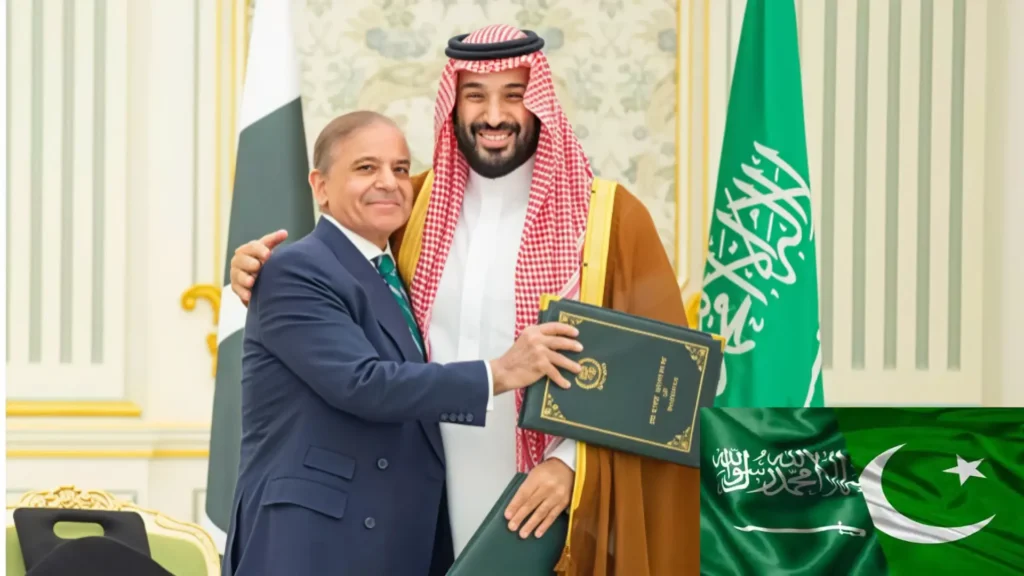
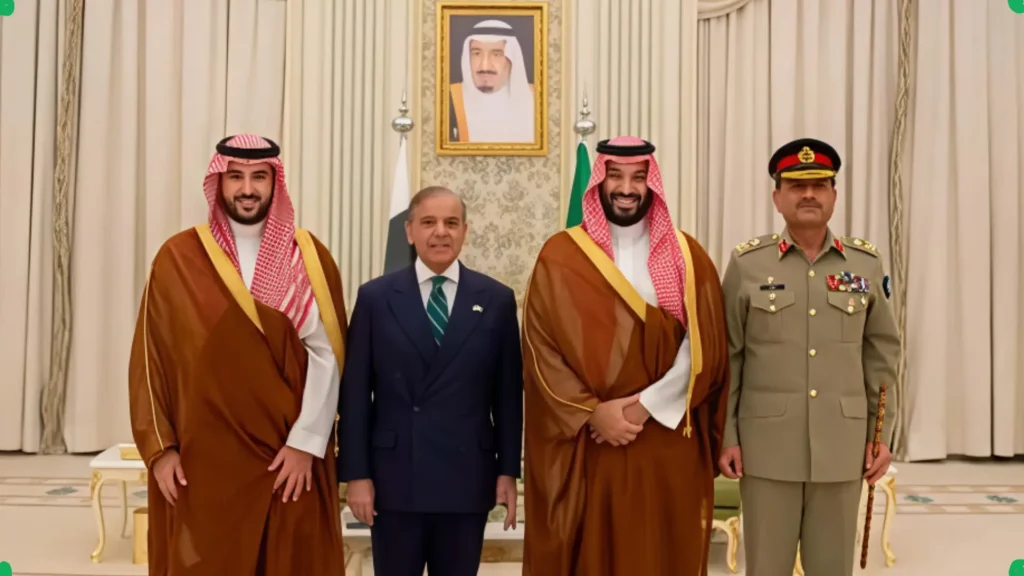
In recent years, Pakistan and Saudi Arabia have increased their political engagement. High-level visits between leaders have become more frequent, with agreements signed to strengthen cooperation. Prime Minister Shehbaz Sharif’s 2025 visit to Riyadh, where the SMDA was signed, marked a milestone in their relationship.
To make collaboration more effective, the Saudi Pakistan Supreme Coordination Council (SP-SCC) was formed. Co-chaired by Crown Prince Mohammed bin Salman and Prime Minister Shehbaz Sharif, this council oversees projects in defence, trade, energy, and culture.
Shared Stance on Global Issues
Pakistan and Saudi Arabia often take similar positions on international issues. Both support the rights of Palestinians, both have worked for peace in Afghanistan, and both highlight the importance of stability in South Asia. Saudi Arabia has also shown understanding of Pakistan’s concerns about Kashmir, while Pakistan has supported Saudi Arabia in regional matters.
Economic Cooperation – Driving Growth Together
Saudi Investments in Pakistan
Saudi Arabia is becoming one of the largest investors in Pakistan. With over $21 billion in pledged investments (Arab News), the Kingdom is focusing on areas like energy, mining, agriculture, and infrastructure.
For Pakistan, which faces economic challenges such as inflation and foreign exchange shortages, these investments provide hope for stability. For Saudi Arabia, investing in Pakistan supports its Vision 2030 plan — an ambitious project to reduce dependence on oil and diversify the economy.
Energy and Infrastructure Projects
Energy is at the heart of this cooperation. Saudi company ACWA Power has invested billions in coal and renewable energy projects in Pakistan. The most significant upcoming project is the $10 billion Gwadar Oil Refinery, which could change Pakistan’s energy landscape and provide thousands of jobs.
Mining is another key area. Pakistan’s reserves of copper, gold, and lithium are attracting Saudi interest (Reko Diq project). Developing these resources will not only benefit Pakistan’s economy but also provide Saudi Arabia with secure access to critical raw materials.
Table: Major Saudi Investments in Pakistan
| Sector | Project | Value | Status |
|---|---|---|---|
| Energy | Gwadar Oil Refinery | $10 billion | Under discussion |
| Energy | Sindh Engro Coal Power | $3.5 billion | Operational |
| Mining | Reko Diq Copper-Gold | $6 billion | Development phase |
| Agriculture | Corporate Farming | $1.2 billion | Starting phase |
| Infrastructure | Gwadar Port Development | $2 billion | Planning phase |
Expanding Trade
Beyond investments, both countries are working to expand trade. Pakistan hopes to export more food products, textiles, and IT services, while Saudi Arabia supplies oil and petrochemicals. Trade agreements are being discussed to lower tariffs and encourage smoother business relations.
Defence Partnership – Pakistan–Saudi Relations 2025
Strategic Mutual Defence Agreement
The SMDA signed in 2025 is a turning point in defence cooperation. It states that an attack on one country will be treated as an attack on both. This provides strong deterrence against external threats and strengthens the security of both nations.
Military Training and Defence Industry
Pakistan has already trained more than 8,000 Saudi soldiers, and thousands of Pakistani troops continue to work in Saudi Arabia in training and advisory roles.
Looking ahead, there is strong potential for joint defence production. Pakistan manufactures tanks, aircraft, and naval vessels, while Saudi Arabia wants to develop its local defence industry under Vision 2030.
Nuclear Dimension
While the agreement does not mention nuclear weapons directly, Pakistan’s Defense Minister has suggested that Saudi Arabia could rely on Pakistan’s nuclear umbrella if needed (BBC World News).
Cultural and People-to-People Ties
The Pakistani Workforce in Saudi Arabia
Over 3 million Pakistanis live and work in Saudi Arabia. Their remittances send billions of dollars back to Pakistan every year, making them a key support for the economy (State Bank of Pakistan).
Pilgrimage and Faith
Religious ties remain central to the relationship. Every year, more than 200,000 Pakistanis perform Hajj while many more perform Umrah.
Education and Technology
Beyond traditional sectors, the two countries are expanding into education and technology. Student exchanges, scholarships, and research collaborations are on the rise. Saudi Arabia is also looking to invest in Pakistan’s tech startups and IT services.
Regional Stability and Peace
Strategic Signaling
The defense pact sends a strong message to the region — Pakistan and Saudi Arabia stand united against threats. This message strengthens their positions and discourages aggression from rivals.
Balancing Relations with Other Powers
Both countries face the challenge of balancing ties with other nations like India, Iran, and Israel. While Saudi Arabia keeps strong trade relations with India, it also values Pakistan as a defense partner. Similarly, Pakistan maintains ties with Iran while strengthening its bond with Saudi Arabia.
The Future of the Partnership
Expanding Security Cooperation
The future will likely see more joint military exercises, wider intelligence sharing, and even collaboration with other Gulf countries.
Deeper Economic Integration
The economic partnership is expected to grow stronger with projects in renewable energy, agriculture, and special economic zones. Pakistan’s location makes it a natural trade corridor for Saudi Arabia to reach Central Asia and beyond.
Innovation and Education
Technology and education are the areas with the greatest future potential. From artificial intelligence to renewable energy research, Pakistan and Saudi Arabia can work together to build knowledge-based economies. Scholarships, training, and joint ventures will also help prepare the younger generation for future challenges.
Conclusion: Brotherhood for a Brighter Future
The relationship between Pakistan and Saudi Arabia is not just about politics or money — it is about trust, shared values, and a common destiny.
The Strategic Mutual Defense Agreement (2025) is not the end but the beginning of a deeper and more formal partnership. Together, Pakistan and Saudi Arabia are building a model of unity that combines security, economic growth, and cultural strength.
As Saudi Arabia works toward Vision 2030 and Pakistan focuses on economic modernization, their partnership will play a central role in shaping the future of the Muslim world.
This is a brotherhood that not only honors history but also looks confidently toward a shared future of peace, prosperity, and progress.