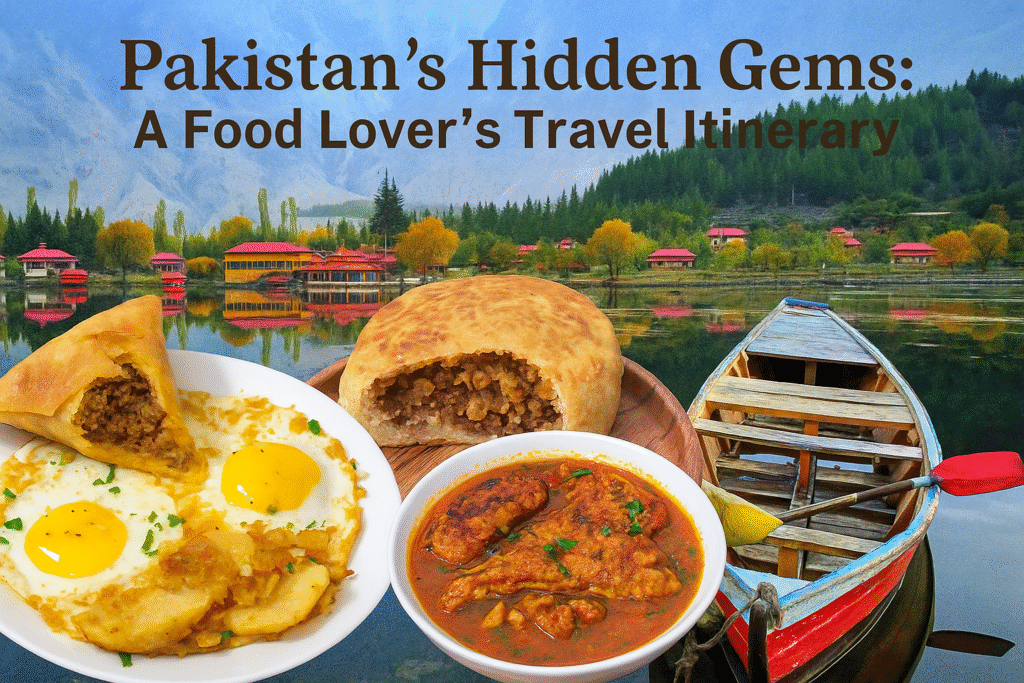

Pakistan’s Hidden Gems: You are not sitting at a fancy restaurant. You are on an unstable stool, filled with the smell of cessation of spices and sweats in the air. You have one right in front of you have never seen before, a recipe has been passed for generations, served with a smile that says all this. This is the real taste of Pakistan.
Most travel guides will take you to the famous Haleem of Lahore or the BBQ of Karachi’s Burns Road. And while those are loved for a reason, the true soul of Pakistani food is found in quieter, less-visited places. This journey is your map for the secret places – hidden gems where taste, history and fellowship come together in each vessel. Here is food more than food – it is the heart of the culture of each region.
Karachi: The Ocean’s City of Flavors
Karachi is a massive city shaped by the sea and by people who came from all over. Its food scene is loud, busy, and beautifully diverse. While everyone goes to Burns Road, the real secrets are hidden elsewhere.
The Bohri Bazaar Breakfast Secret
In the old parts of the city lies a breakfast unlike any other: the Bohri breakfast. The Bohras, a Muslim community known for their unique food traditions, eat together on a dastarkhwan (a large eating cloth). You’ll be served many small, tasty dishes.
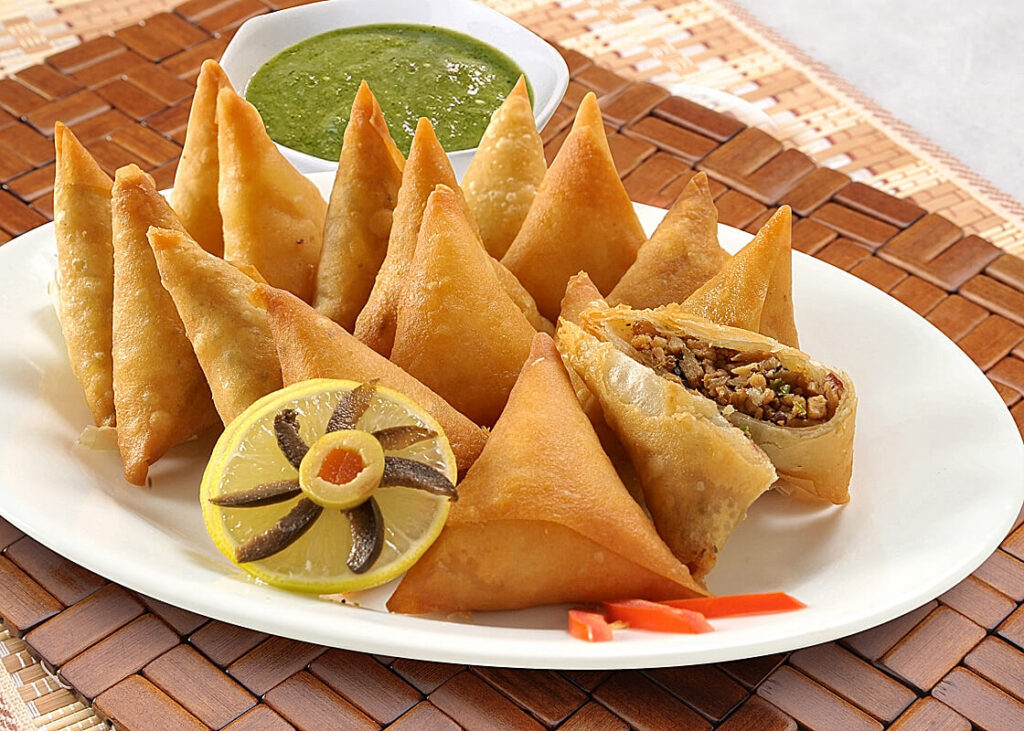
Must-Try Hidden Gem: Bohri Kheema Samosa. Forget the regular potato samosa. Here, you’ll bite into flaky pastry stuffed with finely spiced meat. Pair it with Sali Par Edu (fried eggs on crispy potatoes) and sweet, milky tea for a breakfast that feels royal—yet is almost unknown to outsiders.
Fresh Catches at the Docks
For true seafood lovers, go straight to the source. In fishing villages near Karachi, like Kemari, the day’s catch is cooked on small grills right at the dock.
MUST-TRAI HIDEN GEM: Grilled Stingre. Brush with bare chili, salt and lemon, smoking flavor and soft, unusual structures are unforgettable. As soon as the sun goes down on the boats, eating it with your hands causes a treasure.
Lahore: The City of Mughal Flavors
Lahore is Pakistan’s food capital. But its real charm lies not only in the food—it’s in the old city atmosphere, where culture and cooking have thrived for centuries.
The Old City Master
In the tiny lanes behind the grand Badshahi Mosque, you’ll find shops that have cooked the same dish for over 100 years.
Must-Try Hidden Gem: Phajja Siri Paye. Cook at slowly overnight, this dish made of trotters and head meat turns into a rich, heartbreak. Local people eat it with Naan for breakfast, provided it provides great strength. Eating it is a kind of experience in the shadow of buildings in the Mughal era. Nihari is also a famous dish for Breakfast in Lahore.
A Sweet Treat from the Past
Skip the crowded sweet shops and look for older, smaller ones. Ask for Khopra Patti or Doda Barfi.
Khopra Patti is a crunchy coconut and nut sweet, while Doda Barfi—made with hemp seeds (don’t worry, it’s safe!)—was once a favorite of wrestlers for energy.
Peshawar: The City of Storytellers
Peshawar’s food is strong, meaty, and shaped by Pashtun culture and the ancient Silk Road.
The Namak Mandi Feast
Namak Mandi is more than just a food street—it’s an open-air meat market and grill area. You pick your cut of meat, and it’s cooked fresh for you.
Must-Try Hidden Gem: Shinwari Tikkah and Landi. Landi is dried in the cold winter air, then a dark, slow fried for the taste of smoke. Shinwari Tikka used less spices than Punjabi BBQ, leading to the natural taste of meat.
A Sweet Bite in Chappal Bazaar
In the famous Qissa Khwani Bazaar (the Bazaar of Storytellers), try Gosh Feel. These light pastries, named for their “elephant ear” shape, are fried, dusted with sugar, and topped with nuts. Best enjoyed with a hot cup of Peshawari green tea (qahwa).
Hunza: The Valley of Apricots
In the mountains of Gilgit-Baltistan, the food is simple but powerful—made for survival in tough conditions, using local grains, fruits, and herbs.
The Apricot Treasures of Karimabad
Hunza is built around apricots, which are used in countless dishes.
Must-Try Hidden Gem: Diram Fitti. This bread is stuffed with ground apricot kernels and walnuts, then fried in butter. Rich, nutty, and a little bitter, it’s a true taste of the mountains—best eaten while gazing at Rakaposhi peak.
Must-Try Drink: Hunza Salt Tea. A warm drink made with green tea, milk, butter, and a pinch of salt. It may taste unusual at first, but it’s perfect for the cold climate.
Quetta: The Rugged Frontier Feast
Located in the Hill Province Balochistan, Quetta Stark is a city with beauty and flexible people. The disk miracles this bumpy landscape – just, straight and incredibly tasty. Affected by Pashtun and Baloch traditions, food is dominated by meat, bread and dairy.
The Unforgiving Beauty of Landi
While Peshawar has its Landi, Quetta’s version is legendary. The process is a testament to necessity and ingenuity. The entire lambs are prepared in early winter, rubbed with salt and local spices, and then hung to dry in the cold, dry ground air for several weeks. This conservation method, which is essential in the long winter, emphasizes the taste.
Must-Try Hidden Gem: Khash. Before you dive into Landi, the true adventurer seeks out Khash. It is a rich, warm soup made of sheep or cyr travers (feet), cooked on a slow overnight until the broth gelatinus becomes, creamy and packed with collagen. It is a traditional breakfast dish, it is believed that it has medical properties and a powerful, heating begins for a cold quetta morning. It’s typically served with naan and a hefty squeeze of lemon.
The Secret of the Tawa
Beyond the famous Sajji (whole roasted chicken or lamb), ask a local to guide you to a small eatery specializing in Tawa Fish. The Arabian Sea fish, transported up the coast and through the mountains, is marinated in a simple paste of red chili, turmeric, and salt before being slapped onto a giant, sizzling flat griddle (a tawa). The result is a perfectly charred, flaky, and fiery piece of fish that embodies the fusion of Balochistan’s coastal and terrestrial influences.
A Quick Guide to Pakistan’s Hidden Food Gems
| City/Region | Hidden Gem Dish | The Experience | Best Time to Go |
|---|---|---|---|
| Karachi | Bohri Kheema Samosa | Communal breakfast in the old city | Early Morning (7–9 AM) |
| Lahore | Phajja Siri Paye | Mughal-era alley breakfast | Morning (8–10 AM) |
| Peshawar | Landi & Shinwari Tikkah | Open-air meat market dining | Lunch or Dinner |
| Hunza Valley | Diram Fitti | Homestay meal with mountain views | Any time of day |
| Quetta | Khash & Sajji | Rugged mountain breakfast or hearty dinner |
Savor the Journey, Not Just the Food
The real hidden gems from Pakistan’s Matscene are not just dishes – they are human and stories behind them. Baker who has been using the same soil for 40 years. The family that has completed a curry from generations. Stranger who welcomes you to share food on a rope bed (bed), which you are in your own page.
Here the food exceeds fuel – it becomes a story, a memory and a bridge between cultures. So be curious. Wander into that side alley. Try what the person next to you is eating. Follow the smell of spices. Pakistan’s best food treasures are waiting for those willing to look beyond the guidebook..